This is a copied version of my dissertation at the University of Winchester, from April 2020. Watch out – it is long.
Development economists and foreign policy-makers have juggled the issues of post-colonial Africa and foreign aid since the end of the Second World War for a few reasons. There is a feeling for former colonial powers to make up for past atrocities in the continent by committing aid to countries they once ruled over. There is a sense of duty from donor states to help these impoverished countries on humanitarian grounds, because it is the right thing to do. There is also an opportunity for prospective hegemons to spread influence in African countries, investing in mutually beneficial projects while seizing assets for themselves. What is clear is that, regardless of the motive, development aid is not working.
This essay will investigate the unequal relationship between donor and sub-Saharan African recipient countries, and how foreign aid, which is eagerly donated, is fuelling the divide between the two. Foreign aid is often referred to as Official Development Aid (ODA), and is generally made up of long-term, low-interest loans or grants – but for clarity sake, this will henceforth just be referred to as foreign aid. Furthermore, sub-Saharan Africa will also be referred to in this essay just as Africa for simplicity, although that does not mean African states are viewed simply as homogenous. The essay is divided into three main chapters. The first chapter will lay down the foundations of the essay: it will try and define what development is through the different lenses of economic development, national development, and human development, detailing a brief overview and history of the ideas. The second chapter will begin to unpick the relationship between states, foreign aid and development, looking at both sides of the issue to figure out what is going wrong. The third chapter will summarise these ideas and offer solutions, to create an idea of what an African state on the road to development might begin to look like. Finally, a conclusion will round up all the crucial points, asking a question about the relationship between governance and economics in a developing state – and whether, in this globalised world, they can really work in tandem.
I relied upon a variety of sources when familiarising myself with this topic. Among themost important was Dambisa Moyo’s Dead Aid: Why Aid is Not Working and How There Is Another Way For Africa (2010) – an in-depth guide to the history of aid in Africa, offering a non-Western view on its failings and suggesting market-based economic solutions. However, it is also worth taking into account John Hilary’s criticisms of the text, where he suggests that Moyo’s belief in free market economics for Africa would “plunge the continent back into the dark days of the 1980s and 1990s”, and states would be uncompetitive on the world stage (Hilary, 2010:84). I hope that this essay finds the right balance between domestic institutions and international competitiveness. Dharshini David’s The Almighty Dollar (2018) was another important book, which detailed the dynamics of international trade, and informed me about the influence of China’s Foreign Direct Investment (FDI) in Africa – a component that will be elaborated upon in Chapter Three. Finally, Niall Kishtainy’s A Little History of Economics (2018) gave me an important overview of the history of economic theory, especially in regards to development theory, foreign trade and human development.
Chapter One: What is Development?
It is easy to say that a country is “underdeveloped” or “developing”, but it is not always clear what development is or means. This chapter aims to answer these questions, laying out the theory and history of development – looking at economic development, national development and human development. Broadly, when referring to states, development is defined and achieved through the level of poverty in a country. If the majority of a country’s population live under the poverty line, then that state could be viewed as underdeveloped, since the implication is a lack of access to money, health services, security and other essentials. Poverty can be viewed as absolute or relative – with the former being a definitive value or boundary that one can fall under, such as the living wage line; and the latter being a relative deficiency that falls under a country’s average, where “in a rich country the average is high and so under the relative definition a poor person might well own a television and have a mobile phone” (Kishtainy, 2018:189). One popular, if not now largely outdated, means of measuring development has been on an income level, looking at the growth of a country’s Gross Domestic Product (GDP) and their citizen’s GDP per capita, to be able to see how much the average person earns in a country, relative to other countries in the world. While poverty might be synonymous with “underdevelopment”, it does not offer clear roads towards development, which will be discussed below.
Development in Economics
The question of economic development has been one of the most widely-discussed topics between economists in modern times. It is widely thought that the acquisition and accumulation of capital is the key determinant factor involved in growth and development, although other factors such as labour and productivity, land and the resources available, the various factors of trade and competition, and specialisation of production are also important.
In the eighteenth and nineteenth centuries, Adam Smith and David Ricardo were two economists who laid the foundations for an understanding in what is modern trade and economics. Smith believed in the idea of the economy’s “invisible hand”, the power of the free market economy to encourage or diminish trade based on the needs and desires of those involved with it, rather than outside forces like the state or tariff restrictions. Therefore, increased productivity through technological advances was crucial, in order to create a product that is favoured in the free market and accumulate capital. Ricardo built on these thoughts with his ideas of a “comparative advantage”, the idea that specialisation in the market will lead to more cost-effective production, selling what you are best at making in the market, while buying what other people are better at, making for cheaper than it would be to make it yourself. This was a key idea in international trade, and encouraged the formation of the free market, where it was beneficial to trade with your comparative advantage on a level playing field. However, for Ricardo, capital accumulation wasn’t absolute, as with rising profits comes higher wages, a growing population and more investment, which restricts growth (Pankaj, 2005:106).
Economist Alfred Marshall in the late 1800s introduced the idea of non-economic factors to understand growth and development, alongside conventional economic understanding. While production and trade is important, it can be limited by things which are non-economic. Factors such as the condition of roads or ports, the political landscape, or the connection to raw materials and resources, can all be just as important as the likes of the willingness to save or the existence of other external economies. In the twentieth century, Joseph Schumpter believed that another factor – the creation of new goods, production methods, and markets – was also crucial for growth, with innovation and education the most important factor to growth and development (Pankaj, 2005:106).
In the 1950s, Walter Rostow suggested a set of stages that a country has to go through in order to develop. These stages happen on a large scale and (usually) over a vast amount of time, to build the economic infrastructure necessary to help facilitate the freedoms and capacities of personal development. This report will only cover them briefly, taking a description from Dharshini David’s The Almighty Dollar (2018:99).
- The first stage is the Traditional Society: “an agricultural economy […] with little trade” that does not produce enough surplus goods to substantially profit off of.
- Next are the Preconditions for Take-Off: where there are larger profits made, and there is a greater emphasis on investment into businesses, social mobility, and shared economic interests within a community.
- This allows the next step, Take-Off, to occur: where secondary sectors like manufacturing industries grow and take greater importance to the economy over primary industries like agriculture – urbanisation increases, and savings and investments into businesses become even larger.
- After the take-off comes the Drive to Maturity: maturity brings with it more industrial diversity in the economy, allowing for growing profits and a greater focus on social infrastructure and transportation development, which leads to larger growth in the economy and higher incomes across the country.
- Next comes the Age of Mass Consumption: where “the growing importance of the middle class enables the growth” of the services industries. More people have disposable income and can form a middle class, allowing a services industry to grow in importance and diversify the economy further. Countries that are often identified as “developed” are mostly in this final stage, while “developing” countries might be stuck at Take-Off, and will not have the money, infrastructure, or demand to encourage and enable later steps, stifling growth and development.
The difference in development and the subsequent impact on the economy can be highlighted by the size of economic sectors in the United Kingdom and Burkina Faso: The UK has a service industry accounting for eighty percent of its GDP in 2018 (ONS:2019); while in Burkina Faso, sixty-seven percent of people work in agriculture in the primary sector (David, 2018:101). In 2018, the United Kingdom’s GDP eclipsed that of Burkina Faso, with the former being $2.8 trillion, and the latter at $14 billion (World Bank, 2018).
These stages are crucial to ensure a country develops in the best way for the economy and its people, and there are pitfalls within development. Western countries went through these stages over hundreds of years, and countries that try and develop now risk missing steps in this rapidly advancing global environment. As David argues, the speed at which development has occurred in India, especially regarding their booming tech industry, has meant that the country has a “tiny and comparatively super-wealthy new middle class, in a massively underdeveloped country” (David, 2018:106). The rapid development of the country has meant that a middle class has not organically developed in the way that it did in the likes of Europe through feudalism and relatively slow industrialisation, leading to even greater inequality. While there are realistic steps set out by Rostow, economic development is clearly not a copy-and-paste process.
Furthermore, the income per capita of a country needs to be higher than a certain level in order to achieve growth, too. Take-off is a difficult process because investment needs to be made in order to raise minimum income per capita, and a country will enter a stage where it needs to invest more capital than it has. WIthout sufficient investment, countries can be locked in a cycle of low income, low savings, low investment and low productivity, making poverty even harder to escape from (Pankaj, 2005:108). Developing countries, therefore, need a large investment into many areas in order to help pull them out of poverty.
Economist Arthur Lewis suggested in the 1960s that underdeveloped states have a “dual economy” – “heavily developed patches[…] surrounded by economic darkness” (Lewis quoted in Kishtainy, 2018:128). This was the combination of the traditional society described by Rostow, where people would bring home their profits and “share their proceeds among relatives and friends instead of maximising profit” or investing in their businesses; while there are also still “luxury shops” and “capitalist farms” that aim to make a profit (Kishtainy, 2018:128). To foster growth, the economy needs to transition from a traditional-focused one to a more industrial one, moving the majority of the workforce, increasing productivity, and developing a variety of primary, secondary and eventually tertiary sectors in order to stimulate growth. However, this process is not easy – “the problem is that to be profitable, a factory depends on there being other factories” (Kishtainy, 2018:130). If there are traditional workers next to a factory, they will not earn enough to buy what the factory is producing, and the factory will not make a profit. Development and investment encourages further development, but it is not an easy process to start.
To achieve the level of investment required to develop an economy as suggested by Lewis, the state does not usually have that kind of capital, and foreign aid is needed. Economist Paul Rosenstein-Rodan outlined the need for foreign aid in International Aid for Underdeveloped Countries (1961), suggesting that foreign capital should not be going to directly raise standards of living in countries, but to “permit them to make the transition from economic stagnation to self-sustaining economic growth” (Rosenstein-Rodan, 1961:107). Social framework and infrastructure must be invested in and created first in order to allow the recipient country to eventually sustain themselves, rather than becoming dependent upon foreign aid, although this will initially only create a small return of investment to donors. There has to be patience when viewing returns on development, and “assurance of continuity of aid is, therefore, as important as the amount of aid” (Rosenstein-Rodan, 1961:107), in order for investment and growth to happen properly, and not be rushed in order to pay back loans with interest. Furthermore, Rosenstein-Rodan also suggested that increasing domestic education levels are the best way to increase a country’s absorptive capacity – the ability to absorb capital and use it effectively – and therefore invest their capital better on growth. Although the increase takes a long time to fulfill, he suggested that foreign personnel can offer skills and knowledge, but “the bulk of the administrative and organizing effort must be undertaken by the country’s own personnel if it is to be successful” (Rosenstein-Rodan, 1961:108). The lack of transferred skills sets up a recipient government to fail, by not learning the skills to effectively manage themselves (Brautigam & Knack, 2004:261). However, there needs to be the infrastructure to allow education levels to increase, and foreign personnel would be needed to begin the process, or else a state risks relying upon domestic thinkers with limited experience or education. Furthermore, if development is not realised, any domestic workers who are trained might leave regardless, as in Mozambique, where “the government [could not] retain its best-trained staff against the attractions of working for the many aid agencies and international N.G.O.s, whose consultants may receive thirty times as much” (Plank, 1993:426). There was an instance where a donor-funded project in Kenya poached civil service economists with salaries over ten times their previous ones, leaving the recipient country they were trying to develop weak and undermined as a result (Brautigam & Knack, 2004:262).
However, while foreign capital can help promote growth and development, it can also be an avenue for exploitation as well. Thought up in the late 1960s, the dependence theory, and economists such as Andre Gunder Frank and Raul Prebisch, say that less developed countries on the periphery of the international system are forced to rely on more developed ones in the centre. Frank suggests that developed countries will exploit less developed ones “through the extraction of their surplus” (Pankaj, 2005:119), making a greater profit at the cost of developing countries on the periphery. Prebisch continues this by stating that when developed countries extract products from less developed countries, they are able to sell them for a much greater profit through manufacturing. Primary products that are bought from developing countries will be used to create manufactured goods in developed ones, which can be sold for a greater profit than the primary product could be. There are greater profit margins when selling a manufactured car than when selling the metal that goes into making a car – therefore, because the developed country can sell manufactured secondary products, they will develop at a greater rate than developing countries, and continue to exploit them. The answer to the problems that the dependency theory raises is to diversify production, and to place tariffs on imports. A combination of free trade and dependency means that domestic producers cannot compete against potentially cheaper, more developed producers in wealthier countries, so introducing tariffs can encourage people to purchase from domestic producers and help them develop, making them more competitive.
State Identity Development
While capital is pivotal for economic growth, it can be viewed as a narrow view on broader ideas of development. Alongside economic development, there is also the development of the state and national identity.
Ugandan activist Yash Tandon suggested that development for him meant the “people’s struggle for liberation from prevailing structures of domination and control over national policies and resources”. (Dearden, 2015). In the context of African states and the history of European colonisation (especially in sub-Saharan Africa), development first meant self-determination – the ability for a territory to break away from their colonisers and control their own future. Colonies were often subject to the suppression of native people by a European minority ruling class, who extracted resources to send back to Europe. The Western powers developed only what they needed in Africa, in order to loot the colonies – “roads and railways were built but only where they served the needs of their colonial masters”, who failed or refused to “develop other areas, or share [the West’s] industrial knowledge” (David, 2018:72). In Portuguese-controlled Mozambique, revenue generated by plantations was “transferred to Lisbon to subsidise the central government”, leading to a vast lack of investment in domestic infrastructure where “no social services were provided for Africans, whose literacy rate at independence was extremely low” (Plank, 1993:409).
Self-determination in sub-Saharan Africa only became a reality after the Second World War, and it did not come about easily. In “The Diffusion of Sovereignty: Self Determination in the Post Colonial Age”, Gerry Simpson says that “the right to self-determination is rarely recognized until it is through a bloody conflict” (1993:263). Even after it was recognized and carried out, states were then left with no real authority to govern the country, no infrastructure in place to build or develop the state, and no legitimate leadership. This often led to a melting pot of tensions as groups (often from different tribal backgrounds) all vied against each other to fill the power vacuum left by the former colonial masters. Civil war and a failed state was often the result, the latter of which is defined by Simpson as “a state in which sovereignty has been radically fragmented by revolutionary chaos such that not even the most skeletal civil administration remains” (1996:256). While independence and self-determination are needed to begin any semblance of development, the conditions that they create only harm the institutions and people in the country, restricting any possible early growth.
Liberation and self-determination introduces the concept of sovereignty to a country, key to understanding how a state will govern, and how influential their governance will be. Aforementioned issues of a “weak” or “failed” state emerge when illegitimate non-governmental actors begin to challenge a government’s ability to rule, such as through revolutionary or civil uprisings against the established rulers. Sovereignty can be viewed through two different lenses: by realist and liberal interdependence theorists.
In a realist perspective, sovereignty can be defined as “the state’s ability to make authoritative decisions – in the final instance, the decision to make war” (Thomson, 1995:213). These authoritative decisions are ones that are recognisably common within a state – executive decisions over economic or social policy, legal decisions about constitution and law in the territory, or foreign policy decisions based on inter-state relations. If a state, a government over a defined territory and the inhabitants thereof, has the ability to make these decisions, then it might be defined as sovereign, to a certain degree, by realist political thinkers. The use of the word “authoritative” is also significant here, as Thomson elaborates on. Thomson notes that the phrase “control” is often used to help define sovereignty, but “there never was a time when state control over anything, including violence, was assured or secure” (Thomson, 1995:216). Control suggests an iron grip over every facet of a state’s being that is virtually impossible in reality, and may well not even be sovereign by other definitions. The aforementioned word authority is used because instead of the idea of control, authority suggests the ability to make “authoritative political decisions” (Thomson, 1995:216) that translate into what we identify as “control”. Put more simply, a state can have the authority to make executive decisions, while not necessarily having the control needed to fully carry out said decisions in their territory – be it because of internal conflict, economic downturn or natural disaster (Ayoob, 2002:82).
However, Liberal Interdependence theorists instead define sovereignty as “the state’s ability to control actors and activities, within and across its borders” (Thomson, 1995:213). There are clear differences between the two outlooks, with the former tying sovereignty to the state’s executive authority, and the latter defining sovereignty by the state’s control over intra-state actors. Liberal Interdependence theorists suggest that globalisation reduces sovereignty in states because a greater reliance on international actors removes a state’s own authority over their territory. The greater modern emphasis on “economic interdependence, global-scale technologies and democratic politics” (Thomson, 1995:215) means that a state’s sovereignty – their control over their own actors and activities – is disappearing, as other powers gain authority instead. However, as previously mentioned in this piece, the word control is perhaps erroneous and should be replaced with authority. Furthermore, interdependence is not necessarily indicative of reduced state sovereignty. This concept removes the agency of a state over its international decisions, and suggests that internationalism is forced onto it against its will, rather than a decision that is chosen and has benefits. In the context of colonisation, a colonial ruler would impede on a state’s ability to govern themselves (practically by definition), but that state would likewise struggle to govern itself if it isolated itself from globalisation after independence. There needs to be a balance struck to ensure both sovereignty and authority, and growth and harmony.
While sovereignty is linked to how well the state governs its people, for a government to be legitimate, there needs to be a “social contract” between the executive and the people. Mohammed Ayoob says there needs to be a “notion of responsibility as well as authority” in understanding sovereignty (2002:84). The earliest philosopher to discuss the idea of a “social contract” was Thomas Hobbes, who suggested that to escape the state of nature, a “state of being where interactions were unmediated by the state” (Schouten, 2013:555), people would enter into a social contract with each other. This social contract was a way to trade a bit of their freedom for a collected security among each other, where they would be accountable to one another. John Locke elaborates on the theory, writing that every man “puts himself under an obligation, to everyone of the society, to submit to the determination of the majority” (Locke, 1689:32), for the “mutual preservation of their lives, liberties and estate” (Locke, 1689:40). The social contract between the people and the state legitimizes the government, while also giving them the burden of responsibility over the people. If a state does not act right by its people, it is not legitimate and therefore not sovereign. This throws into doubt the development of states where governmental corruption is rife, and development is slow at best.
If development is linked to liberation, good governance and sovereignty is fundamental to it. Rather than under the control of European colonial powers, a sovereign state would be able to profit from the resources on their land, invest it back into their people and infrastructure, and put the country on the right path to growth and development.
Human Development
An economic approach towards development has been criticized as limited and narrow, failing to understand how an average citizen actually lives. Economist Amartya Sen instead proposes that poverty comes from a lack of freedoms and capabilities, rather than just a lack of money. Sen suggests that the expansion of one’s capabilities is the way out of poverty, which relies on both “the elimination of oppression and on the provision of facilities like basic education, health care, and social safety nets” (Evans, 2002:55). Although money is an important facilitator for these capabilities, others are also important, such as access to facilities, regardless of cost. Being poor often means that someone does not have the same kind of access or security that wealthier people have. If someone is in poverty, they may not have money to afford food from a safe area, and instead have to sacrifice their security in order to access cheaper food. If someone has no money they might steal food or medicine, and risk being arrested (Reid-Henry, 2012; Kishtainy, 2018:189). These lack of freedoms and capabilities are not shown when viewing poverty and development through an income lense – as GDP might grow, but conditions could remain the same or become worse. Understanding the criticisms of solely income-focused measurements of poverty and development, the United Nations Development Program (UNDP) has instead suggested a Human Development Index (HDI). While taking into account GDP (or Gross National Income (GNI), an equivalent name), the Human Development Index also looks at both the predicted life expectancy at birth, and expected years of schooling of the average person in a country, to better generate a detailed view of human development on a micro level.
In terms of human development, foreign aid has been a key help in raising awareness, education, and standards of care in less developed countries where health is concerned. Greater malaria funding of $2.7 billion (in 2016) has meant that forty-four countries now reported fewer than ten thousand cases, up from thirty-seven in 2010 (WHO, 2017); while HIV cases fell from fifteen percent to six percent between 2001 and 2006 (Moyo, 2010:3). Furthermore, there is a direct correlation between health aid that a country receives and infant mortality rates of about two percent. However, it should be noted that this reduction is not seen compared to overall aid received, likely due to the fungible nature of development aid – where it can free up funds to be spent elsewhere, rather than be dedicated to a direct target (Mishra & Newhouse, 2005:871).
Having explored the issue of what development is and what it can mean for a state and its people, the second chapter of this essay will look at the disparity between the ideas of development and the reality of foreign aid.
Chapter 2: Why Foreign Aid Does Not Work
Foreign aid is a tool that has been used since the 1940s to try and improve the standards of living in countries in Africa and across the world. Aid is sent to recipient country governments in the form of long-term, low-interest loans to let them fund what they need to encourage development in the country. However, development aid has not fulfilled that objective. Rather than set countries free, foreign aid has saddled African states with issues that remain to this day. This chapter will explore those issues, on the side of the recipient and the donor countries.
Marshall Plan and Development Precedent
Development economics as we now know it began with the post-World War Two Marshall Plan – a huge aid package to rebuild war-torn Europe. Twenty billion dollars was pumped into Europe by the United States, the former of which having seen much of its industries and infrastructure destroyed in the war, and was struggling to pick up again. Over a five-year period, countries such as the United Kingdom, France and Germany (among others) were sent aid and assistance to rebuild the country, while also giving the United States influence over the region, which was crucial for managing post-war Germany and the beginning of the Cold War (Moyo, 2010:12).
The Marshall Plan was a success in getting parts of Europe and Japan back on its feet, but a similar project has not been compatible in Africa. While the concept is similar – aid over a certain amount of time to be put into infrastructure in order to kick-start economic development – the context is vastly different. Before World War Two, Much of Europe already had developed economies, and it was a project to build physical infrastructure more than social infrastructure. In aid-dependent states in Africa, aid simply cannot be used the same way as it was used in the Marshall Plan, since institutions need to be made and have to prove they work, rather than just rebuilding them. Almost all of the aid that was sent to Europe was in the form of capital, raw materials and food aid, while less developed countries have more structural deficiencies to address (Pankaj, 2005:116). European states had experts and thinkers who were familiar with how they worked and what needed to be done, while many African states have never had these kinds of structures, let alone people who have been taught how they work, and how they will work best in certain situations such as underdeveloped African states, where there is not much past experience to learn from. During the sixties, when independence was a growing trend, there was still a vast lack of education and experience in the native population – with only fifteen percent of Nigerians in upper-level civic jobs before independence, and lower numbers elsewhere in Africa (Brautigam & Knack, 2004:259).
Moreover, the circumstances of aid and domestic economies were vastly different between European states and African states. While the Marshall Plan, when flowing into individual countries, accounted for 2.5 percent of the recipients GDP, aid-addicted states in Africa already accept over ten percent on average of their GDP in aid (Moyo, 2010:36; Goldsmith, 2001:125). The Marshall plan financed European rebuilding for five years, whereas African states in need of development have accepted aid for decades, in worse conditions. High interest rates during the Reagan administration made accepting money painful for African states, while they were in the midst of economic issues and a need for funds. The fall of the Soviet Union as backers for some aid-dependent states only made the issue worse, as many African governments lost their bargaining power and leverage, and they were forced to accept aid from the unipolar power of the West, and often with unfavourable loan conditions (Plank, 1993:414). Extremely high aid dependence, a lack of institutions, knowledge or desire to build said institutions, and the constant need to repay loans has left African states in a costly catch-22 when it comes to aid – something that European states never had to deal with after the Second World War.
Domestic Institutions
The foreign aid models used across the world are evaluated through the lens of capital-based growth, and often overlooks other factors involved in development. When aid is granted, it does not always take into account different aspects and factors of the recipient countries, instead opting for a one-fits-all strategy, and viewing African states as homogenous. Low levels of technology, unsuitable government policy, an underdeveloped secondary sector or corruption can all affect growth, and are nuanced issues that will not be fixed by loans or grants (Pankaj, 2005:112). Corruption in sub-Saharan African states is well-publicised, seemingly existing from head to toe. Corruption can exist in any form of governance, be it as a dictator which extracts resources for their own bank account at their pleasure, or a democracy which will often rely upon running in elections unopposed (raising a question about the label of democracy), and bribing officials to maintain political order (Harwood, 2007:212-231). Unchecked and unchallenged governance that deprives the rest of the country of what it needs is a great obstacle to development and growth, in ways that will be elaborated upon in Chapter Three.
The flow of foreign aid into a country can have a damaging impact on social institutions that are needed for domestic capital formation. Foreign aid represents unearned funds that are sent to a country on the basis that they need it, rather than through earning it by production, manufacturing and trade. The reliance on unearned foreign aid creates a state of aid dependency where the ten percent of unearned capital of a country’s GDP is both too easy and too large to not depend upon. There might be an assumption that governments would develop institutions and industries to wean themselves off of aid addiction, but that has not been the case. Aid dependency allows African states to become complacent and lazy, with little incentive to pursue other means of capital formation. Some governments might even maintain low development in order to continue to receive foreign aid (Kaya & Kaya, 2019:2). If there is a seemingly unending supply of foreign aid into the country, there is less reason to pursue social institutions like taxation that would bear this load, and as such there is no infrastructure in place to connect the government with the people. Taxation is often impractical because “it requires far more information about and control over the economy than a poor government can possibly muster” (Harwood, 2007:217), removing any incentive to create the infrastructure needed to operate it. It can also be argued that the lack of taxation removes legitimacy from the governments that receive this aid, as there are fewer checks and balances needed on governments by the people if they are not paying taxes towards said government, closing the door on public representation, weakening the social contract between the government and the people, and further diminishing public institutions and the democratic process (Mojo, 2010:66; Goldsmith, 2001:127).
Furthermore, aid can produce “moral hazard”, as defined by Goldsmith as “the mechanism for the supposedly perverse political impact of foreign aid”. The idea of moral hazard comes from the suggestion that aid is fungible and allows figures in power to escape “consequences of the status quo” (Goldsmith, 2001:124), by releasing other resources that are not connected to conditionalities to be used in negative ways, and thereby “rewarding states for reckless behaviour” or “prolong[ing] the life” of some corrupt or incompetent regimes (Goldsmith, 2001:125). Fungibility of aid is most evident when “the increase in government spending will be less than the increase in foreign aid” (Kaya & Kaya, 2019:4), essentially allowing foreign aid to substitute for domestic government spending, instead of working alongside it. However, this issue is more prevalent in states with perceived “bad governance”, that have less public participation or checks and balances from the media. While aid fungibility exists within states with “good governance”, it has notably less effect. Neglecting taxation infrastructure is not always down to complacency, but rather can be another tactic to guarantee the supply of development aid for bad governance. Aid-dependant governments know that as expected, the greater the development in the country is, the less aid they will receive in the future, so it is not always in the best interest of “bad-governance” policy-makers to develop the country. This is shown when in middle-income countries receiving aid, tax revenue as a percentage of GDP increased over time by six percent, while in low-income countries (which received more aid), over the same period of time it fell by three percent (Brautigam & Knack, 2004:263-264). However, Goldsmith also recognises that moral hazard should not make the idea of giving aid completely negative, as it ignores the fact that some African authorities might be pro-reform, favouring open economies and free-markets, or wanting to fix desperate situations. Moreover, it also ignores the human resources that are deployed in African states as part of aid packages, which will help aid projects.
Donors
While political and structural issues might block foreign aid from working as intended, there are also obstacles on the side of the donors and those looking to help. While donors – unilateral countries or multilateral organisations such as the World Bank or IMF – look to develop African states, they also have their own agendas and need to make sure they make their money back, as with any commercial loan made. There are two schools to understand when thinking of how donors operate and why they contribute foreign aid to less developed countries: the idealist approach, or the realist approach. The idealist approach suggests that aid is contributed based on good natured reasons, fueled by economic or social concern for countries that are perceived to need the support, separate from self-serving interests. Sometimes these idealistic values can be rooted in a desire to compensate for a history of imperialism, where a donor country might feel a responsibility to make amends. However, it can also be divorced from historical reasons, and based on normative moral values. A realist view, on the other hand, says that foreign aid is a tool used by states to further spread their influence, promote their interests and conquer markets, looking for their own profits over the development of the recipient state (Petras & Veltmeyer, 2002:282-283). Regardless of intention, there are clear issues involved with foreign aid donation that will be elaborated upon below, erasing theories that poorly governed recipient governments are solely to blame.
Further issues arise regarding how aid is applied to a state, through the “upwards of 25 or 30 official aid agencies operating, and possibly hundreds more NGOs” (Williams, 2000:571). A prevalent issue comes from the structure of aid donation, and how to get aid in whatever form into a country and to the relevant recipients. There are many moving parts, from donor policy-makers to analysts, recipient government officials and civil services, workers in the private sector and NGOs, who all have to communicate and coordinate to deliver what is needed for the country in question. The sheer amount of different aid organisations involved means that there are lots of gaps to fall through regarding keeping track of conditionalities or coordinating aid. One analysis of aid in a country in crisis recommended reducing the eight hundred ongoing projects by over half, in order to make it more manageable – but three years later, there were instead over two thousand ongoing projects (Brautigam & Knack, 2004:261). Complications can get so bad that loan conditions will create chaos in a country or contradict each other, leading to a situation where it is impossible to win. Reducing subsidies on food and other goods is often one of the conditionalities set by donors who look to reduce a country’s debt, but at the same time keeping the likes of food subsidized is often essential for maintaining the support of soldiers, which is essential for keeping power in a weak state. Plank suggests that governments caught between donors and domestic actors would often work around this by willfully allowing corruption to run free in the administration, such as “licit but unsanctioned expenditures” like arms dealing, in order to keep political allies on their side while they comply with conditionalities elsewhere (Plank, 1993:418-419). Another donor-led pressure that is put on a country receiving aid will be the implementation of their own resources, such as their own technical advice, which is often “not welcome” or counter-intuitive to the goal of development; or large donor-led projects which are not in the best interest of the recipient country, which “need to concentrate their resources on a small number of critical activities” instead. Donors and aid missions can also reduce tax collection for the countries they’re working in, by introducing untaxed vehicles or goods into the country without paying import costs, or even working in the country without paying local tax on their wages, which are often much higher than domestic salaries (Brautigam & Knack, 2004:262-263).
There is a clear divide between “good” and “bad” development economics (like good and bad governance) with the latter often found in donor moral hazard. Rather than relying on the fungibility of aid, donor moral hazard comes from the pressures of foreign aid. Donor company employees depend on the mechanics of foreign aid to make their living, so it is an aspect of their job that is heavily incentivized, even if it might not have the desired effect of development. There is also a perception that stopping aid is a callous act that is depriving poor families of money or goods they might need to survive, regardless of how much of the aid they might actually receive. Another key problem involved in aid is that, if a country does not develop as planned, they will not have the capital to pay back their initial loan with interest. It is, therefore, in the donor’s interests to grant another loan, in order to potentially recoup their initial money, or to at least not have to write off debt owed to them. It is through this loaning necessity that bad governance can grow, where African policy-makers can assume they will receive aid regardless of their actions – because donors cannot often afford to not send aid, or risk losing their entire investment. (Moyo, 2010:54-55).
When aid that is not in the form of capital is sent to countries in need, there can be a huge negative economic effect for the local people in that country. While there can be a lot of good intentions behind sending food, or goods such as malaria nets to African states, it often ignores the local markets that already try to cater to those needs. If food stuffs is sent to an African state in the name of aid, the people in the area will eat. However, with imported food flooding into the market, the food that is produced by local farmers will drop significantly in value, which will mean that they might not make as much money, and won’t be able to pay wages to their employees, who themselves provide for their families. When the imported food is all bought up, there will be a reduced workforce able to provide more food in time, leading to more long-term issues (Moyo, 2010:44). Reactions in the economy like this can themselves cause famine, even if there is food that is technically available. If workers (not necessarily farmers like the example above, but producers of other goods too) are laid off and do not have an income, then they will lose the capability to pay for food, even if there is no shortage. Furthermore, if people stock up on the food because there is a surplus, then prices rise even higher and more people cannot buy food. If people cannot buy food, then it can turn into a famine (Kishtainy, 2018:192). The impact of imported goods might relieve pressure on local people in the short term, but it can also have clear down-sides for the poor and underprivileged people of a recipient country in the long term.
The Question of Neo-Colonialism
In the foreign aid business donors hold the power, and often at the detriment of the people living in recipient countries. As loans and grants continue and increase in interest, the recipient countries lose more and more control. They are often underdeveloped in a structural capacity, encouraged to stay that way by a constant drip of unearned capital, and at the whim of their donor overlords as national debt grows. This aid-addiction can lead to what can be called neo-colonialism. Nkang Ogar et al. (2019) describe neo-colonialism as “the domination of a country through indirect means such as loans from international financial institutions”, which are designed to homogenize and subjugate countries as part of the West’s, and capitalism’s, hegemonic power. Less developed countries will be caught in the sphere of influence, and become dependent on large international entities, having their fate “drawn thousands of miles away” by the likes of IMF, World Bank, or other development policy-makers (Nkang Ogar et al., 2019:92). As Plank (1993) notes, “the bonds of debt and dependence that tie [the recipient country] to its donors were entered into voluntarily”, but with accumulated debt and a lack of social infrastructure, it is practically impossible for the recipient to refuse conditionalities and policy, “because the flow of funds must be maintained at virtually any cost” (Plank, 1993:428-429).
However, while Nkang Ogar et al. and Plank take the view that neo-colonialism allows donors to wield unconditional power and the future of African development is theirs to command, that contradicts the suggestion above concerning moral hazard on the side of donors. While it can be that donors are both exploiting African states with no strings attached, and also caught in a loop of aid lending in order to recover their investment, it is difficult to believe that it is both.
Understanding the pervasive issues of bad governance and bad economics in African states that is fueled by foreign aid money, this leads onto the final chapter, which will explore realistic ways to develop countries without aid relief.
Chapter Three: On Future Development
This chapter will look at how African states can realistically develop without foreign aid. This will be done by understanding the issues of governance and economics, and looking for alternatives that will allow African states to develop without foreign intervention or control.
Good Governance
What is Wrong?
There are key issues that are shared across countries in sub-Saharan Africa that let corrupt and complacent governments endure and thrive. The issue of bad governance, as described above, is one that comes from both economic and non-economic factors. In countries that were neglected by their former colonial masters, the injections of unearned aid has meant that social infrastructure has not developed to properly tax or maintain legitimate authority over the population, and the instead has bred a culture of governance that both refuses to invest in the country, but to also exploit foreign aid for their own benefits. Without any sort of indication towards national acquisition and accumulation of capital, this brand of bad governance is clearly detrimental to growth and development in the country.
Democracy vs Dictatorship
Democracy has often been linked with strong economic growth, with good reason. The largest economies in the world are found in democratic countries, and the democratic process protects property rights, helps to ensure checks and balances, defends a free press and guards worker conditions and contracts through an independent judiciary branch, allowing for a free market to grow and stimulate the economy. However, democracy is not infallible, especially in an area of the world with as many conflicting interest groups as Africa. The democratic process can be hampered and disrupted by rival parties with opposing interests, looking to stop legislation from going through that could potentially help parts of the country. Urgently needed government action could be stalled by bureaucracy and checks and balances that are necessary to maintain the democratic process. Moreover, democracy is only as good as the institutions upholding it, and an underdeveloped legal or social system within the country could weigh it down even further (Moyo, 2010:41-44). It is also worth considering James Buchanan’s (1919-2013) Public Choice theory, which suggests that politicians want to stay in power above all else. To do this, they will spend money to please the public and offer rents and privileges to supporters in order to ensure their backing, planning only as far as their next election, rather than on long-term goals that are larger than themselves (Kishtainy, 2018:166).
Moyo suggests that, to bridge the gap between a poorly run, under-developed country and a functioning and mature democracy, it might be beneficial to have a dictator in charge, to remove the cumbersome obstacles that democracy imposes, such as an opposition. This is by no means to suggest that democracy is not the correct way forward, but rather a young democracy with weak institutions could be counterproductive, and its instead “just a matter of timing” (Moyo, 2010:44). However, this would require a benevolent dictator who wants to develop the country, while most dictators are anything but that. Economist Mancur Olson (1932-1998) suggested that, while not as beneficial as a democracy, a stable dictatorship would be better than an anarchy. Olson described dictatorships like bandits – they will arrive, plunder a country, and then leave when the next dictator forces themselves in. However, if a dictator wants to settle down, it is within their interest to invest in the economy, in order to maximise their profits further down the line. This is in no way a benevolent dictator though, as they would still be taking a disproportionate slice of the national cake, but they would be interested in growing the economy regardless. However, this means that even if the dictator invests in the economy, it will be for their benefit and may not be in developing useful institutions for the people of the country, such as roads or public buildings (Harford, 2007:212-214). There remains the issue of the social contract, and without checks and balances, the dictator will only look out for themselves. Ultimately, Olson is correct – a stable dictatorship is better than anarchy, but it should by no means be the end of the road, and there still needs to be a route to democracy if dictatorship is chosen, or else the country will keep being looted and never develop.
What is Good Governance?
Whereas bad governance looks to loot the country, keep power at the detriment of development and limit real domestic investment, good governance needs to do the opposite. First and foremost, a good political system must be accountable to the people it is supposed to govern. This works best in a legitimate democracy. However, there has to be a cross-party effort to improve democracy, that includes a legitimate alternative to the ruling party that is allowed to oppose them, rather than a crooked one-party system. Investment in infrastructure – social and physical – must be awarded to projects for non-bias reasons, to be used where it is needed to best benefit the developing country. This also means developing parts of the country that might be represented by an opposing faction, in order to not fuel tensions and encourage a coup to what would be a young and tenuous democracy. This can be seen in Cameroon, where the English-speaking region roads have been severely underdeveloped compared to the ones in the politically active French region (Harford, 2007:216). If it is available, mediation between groups in a country should be encouraged. Strong institutions must also be built in order to protect features that come with democracy. The country’s judiciary must be independent and transparent, and ensure that there is a fair and legitimate rule of law, to stamp out corruption and give power to the people. The judiciary must also defend a free press in the country, which would hold the government up to scrutiny with checks and balances; and contracts must be guarded so that there can be fair conditions to work, and allow growth in the country.
To encourage investment and growth in the economy, there has to be other bad governance devices that are gotten rid of. Corruption takes another form in exploitative bureaucratic fees and procedures which hinder entrepreneurship. In Ethiopia, an entrepreneur couldn’t start their own business without spending the size of four years’ salary on informing the government of their plans – and this practice was only scrapped after the World Bank highlighted it, the result leading to a fifty percent increase in business registration. It has been a similar picture in Cameroon, where exorbitant fees are attached to business registration, property costs and court fees. Corrupt officials add a cost wherever they can in order to get an extra cut, and this stifles growth in the wider economy (Harford, 2007:217-219). Corruption like this needs to be removed. A way to do this is to cut the regulatory measures away and allow greater freedom for businesses to operate, encouraging greater investment and growth in the country. Furthermore, wages can be increased in the public sector, to further discourage corrupt practices by making them less appealing (Moyo, 2010:50). Not only will this increase the amount of small domestic businesses, but it can also make the country more attractive to larger foreign businesses to operate. However, this has issues similar to the aforementioned idea of neo-colonialism, whereby a large foreign corporation might attract a lot of domestic business and capital, but invest the profits elsewhere rather than in the country itself. Tariffs and taxes could then be imposed on foreign business, to protect domestic companies.
Finally, another key tenet of good governance and democracy is political participation. It is vital for everyone to have a fair and equal say, regardless of ethnicity, gender, religion or otherwise. The institutions can be built for democracy, but there needs to be an active and engaged population. Unfortunately, there are still constraints to participation that need to be addressed in less developed countries. Poverty and ignorance are two such constraints, where concerns over food or water security lead people to develop apathy towards the political process, instead more interested in where their next meal will come from. Unfortunately, an unresponsive government only adds to this problem. Undemocratic governments have no reason to listen to, protect or care for their population, leading to the degradation of human rights and a total rejection of responsibility over their people. To help kick-start development, governments need to become more responsive and proactive and help their citizens. If regulations are eased, roads are paved, rights are protected and jobs are created, more people will have the money to stave off poverty, and gain the capabilities to care for themselves, their families and communities. This can only be a good thing, allowing people to save, invest, and not have to worry about their next meal, freeing them up to think about their role in the country (Ahmad Wani, 2014:13-16).
Good Economics
What is Wrong?
The clear issue with the economic landscape in aid-dependent countries is that there is no real responsibility or will felt by the recipient governments in how their unearned aid is used. Foreign aid is easily given by donors regardless of the state of governance or how the funds are applied, and there is similarly no incentive for African states to not abuse the aid that they receive. In the eyes of a donor, there is not much reason to stop sending aid. From an idealistic view, it would be wrong for them to stop sending aid because, regardless of how it is used, a country cannot become better if it has no money available – sending no aid would be worse than sending aid that is used in mostly bad ways. On the other hand, a realist could suggest that it doesn’t matter how the money is used, as long as the interests of the donor (in this case, to spread influence) are met. Furthermore, a realist might prefer it if aid is not used to develop the country, as that would give them more opportunities to influence the state, instead of strengthening domestic institutions or private businesses. Why would you want to help fund an Ivorian restaurant in Abidjan if you can instead have a McDonalds in its place? African governments need to take a proactive role in acquiring capital, and not be complacent and indebted to donors.
Loans, Grants and Foreign Direct Investment
Currently, bilateral and multilateral foreign aid exists as loans or grants that are accepted by the recipient country. Loans are typically long term deals that are agreed upon with a below-market interest rates and a low amortization burden – the latter being the schedule on which the loan and interest is paid back. Grants, on the other hand, are “essentially money given for nothing in return” (Moyo, 2010:8), often with low interest rates, long grace periods (time before the grant needs to be paid back) and a very long repayment schedule. They can often be paid back in the domestic currency rather than convert it back to dollars, and some of the grant will be written off (Rosenstein-Rodan, 1961:109;Moyo, 2010:8). The pitfalls in loans and grants have already been outlined and are clear – the nature of the agreements can easily be treated as free, unearned capital, while it also cedes control over to the donor countries who lock recipient states into long-term payback schedules.
Foreign Direct Investment (FDI), on the other hand, offers a different approach. In 2018, sub-Saharan Africa received over $50 billion in foreign aid, but only $30 billion in FDI (Worldbank, 2020). While this has closed the gap on the figures in 2006 – where it was $37 billion and $17 billion respectively (Moyo, 2010:98) – there is still a significant disparity between the two figures. While foreign aid is a bilateral tool between two governments (or multilateral, between an international organisation and a recipient government), FDI instead operates in the private sector. Corporations will choose to invest in a market, and the condition and resources of a country are essential to encourage that investment. Asiedu (2005) notes that the two most important factors to FDI are the abundance of natural resources in a country, and the size of the market – displayed by the sub-Saharan African allocation of FDI in 2005, where sixty-five percent of investment went the into large, resource-rich countries of Angola, South Africa and Nigeria. However, a large size and resources wealth aren’t the be-all and end-all of investment. FDI can also be encouraged by good governance: where there is no corruption, good infrastructure, an effective legal system and an educated workforce, FDI can be obtained (Asiedu, 2005:7).
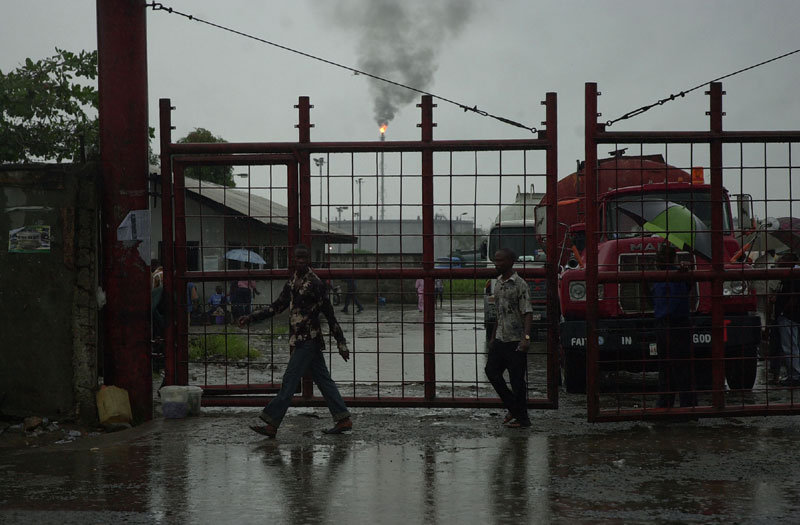
African countries have an abundance of resources to invite investment in – with the vast majority of which coming from China. Both public- and private-owned companies have been funnelling money into the continent, with a large emphasis on raw materials in the form of oil and metals. There have been investments in Iron and Platinum in South Africa; Copper and Cobalt in the Democratic Republic of Congo and Zambia; and oil in Nigeria, Angola and Sudan, to name a few. Oil, especially, has caught the eye in China. In Nigeria, China has constructed a cross-country railway through the oil fields, exporting $4 billion worth of equipment into the country, as well as offering jobs to Chinese firms and nationals for the effort. Furthermore, China has promised $80 billion to help pump and refine Nigerian oil, to make them more money and gain drilling rights to it, letting them use it or sell it on for a profit themselves (David, 2018:66-75). It would be reductionist to suggest that Chinese investment is only going into raw materials – with investment into the construction of roads in Ethiopia and railways in Nigeria and Uganda. Furthermore, they have built schools and hospitals, and trained professionals in their attempt to flex their soft power muscles (Moyo, 2010:103-104).
However, FDI has downsides, not dissimilar to foreign aid. While labour costs in Africa are low, there is still a way to go in road or power infrastructure across the continent before it can be considered a top candidate for investment. It may be cheap to produce goods, but it will be problematic to move materials in and out of factories, as well as to power those factories and set up crucial components like phone lines to make investment worthwhile (Moyo, 2010:100). The aforementioned issues involved with registering business in African countries are also clear, increasing the barriers to external investment. The focus on oil, as mentioned earlier, has also meant that Nigeria has ignored other parts of their economy, neglecting agricultural and manufacturing sectors, or ensuring jobs for domestic workers (David, 2018:80). Moreover, while Western donors have tried to bend African governments towards good governance with conditionalities, Chinese investors do not seem to care about it. In 2006, the European Investment Bank (EIB) said that Chinese investors were undercutting them on their loans because of lax to nonexistent social and environmental policies attached to their money. There have also been concerns of Chinese firms undercutting local businesses and favouring Chinese workers, rather than employing locally. Furthermore, China tends to turn a blind eye to human rights violations, with hazardous safety standards in mines and their support for African dictators like Robert Mugabe – although, Moyo (2010) points out that the West also has a history of backing authoritarians in Africa (Moyo, 2010:107-111). China is oil-rich Sudan’s largest trade partner, while also protecting them in the UN Security Council and backing President Omar al-Bashir until he was deposed (Marshall, 2016:137).
While China is the major player in African FDI, it is not the only one. The likes of India and Turkey both invested in parts of the continent. Indian investments in Africa are a result of companies looking to produce low cost products in poor countries with large markets, which Africa has plenty of. This has been done by buying cheap African land, with low operational costs and cheap labour, and economies of scale. Africa is a crucial market for Indian firms, as they can easily access a large subcontinental market (Kukreja & Joshi, 2018:186). Furthermore, Turkey has been active down the east coast of Africa, especially in Somalia. Ankara and Mogadishu have had good relations in the last decade, with a recent invitation to look for offshore oil (Al Jazeera, 2020) and train Somali soldiers (Hussein & Coskun, 2017). Moreover, Erdogan has been active in Libyan gas reserves (Bellut, 2020), has invested in Djibouti (Vertin, 2019) and was another supporter of al-Bashir in Sudan (Jones, 2019). While oil and gas are important resources, there is also a suggestion that Turkey has been operating in the east of Africa to gain allies as it squares off against the Saudi Arabia and the United Arab Emirates over its alliance with Qatar (Vertin, 2019).
Foreign Direct Investment looks like an opportunity for development, but by no means a sure way to reach it. Putting the investment in the hands of private enterprises should hopefully inspire action and growth in the economy, rather than letting unearned aid keep governments complacent. However, for FDI to work, there also needs to be a degree of good governance to control it, and make sure investors are not running rampant and looting the continent like the dictators described by Olson. Asiedu (2005) suggests the creation and greater importance of regional economic cooperation to achieve this end. Regionalism “can promote political stability by restricting membership to democratically elected governments”; standardise policies like stamping out corruption and implement investor-friendly policies; and increase the size of their collective market, making themselves more appealing to investors while also maintaining regional strength (Aseidu, 2005:7-8). It is not clear as to whether these suggestions will stimulate and maintain development in African states – but it is clear that foreign aid is killing it, and this is an avenue for better and greater change.
Conclusions
This essay has attempted to highlight the downsides of foreign aid when applied to Africa, as it has done for the last sixty years. There seems to be a positive image attached to development aid, inspired by the likes of Bob Geldof’s Live Aid and other celebrity-fronted projects, and an idealistic belief that the application of aid can only be a good thing. However, this is not so. There are issues on both sides of the donor-recipient relationship, that enable each other in a dynamic which restricts development, rather than encourages it. There needs to be a middle-ground between a form of neo-colonialism by foreign aid donors or by private investors, and the opposite being detached from the rest of the world, with no ability to compete on the global market. Hopefully this essay has suggested a way forward, although that is not to suggest it will be simple or easy to do so.
If African governments do achieve a greater level of good governance, it calls into question the relationship they have with some of their investors. Does the greater protection of laws and rights, greater focus on domestic middle-income jobs, and greater transparency in the democratic process continue in a future Afro-Sino relationship with a more legitimate government system – or, when development is concerned, can good governance and good economics even co-exist? This essay attempted to explore the donor-recipient relationship in sub-Saharan African states and how it affected development, taking into account issues such as corruption, poverty and neo-colonialism, to pave a new road to sustainable and sovereign development. In doing so, there have been questions asked about the relationship between good governance and good economics in developing states, and whether one has to jump into bed with one power or another – Western aid donors, or Chinese investors. This essay has attempted to give an answer between those two options, favouring a fair, receptive and legitimate government, a strong domestic market, and inter-continental solidarity.
Bibliography
Adisu, K., Sharkey, T. and Okoroafo, S., 2010. The Impact of Chinese Investment in Africa. International Journal of Business and Management, 5(9).
Ahmad Wani, H., 2014. Constraints and Impediments of Good Governance in Africa: Future Prospects. Afro Asian Journal of Social Sciences, 5(5.1).
Aljazeera.com. 2020. Erdogan Says Somalia Invited Turkey To Explore For Oil Offshore. [online] Available at: <https://www.aljazeera.com/news/2020/01/erdogan-somalia-invited-turkey-explore-oil-offshore-200121063247049.html’> [Accessed 26 March 2020].
Asiedu, Elizabeth (2005) : Foreign direct investment in Africa: The role of natural resources, market size, government policy, institutions and political instability, WIDER Research Paper, No. 2005/24, ISBN 9291907030, The United Nations University World Institute for Development Economics Research (UNU-WIDER), Helsinki
Ayoob, M., 2002. Humanitarian Intervention and State Sovereignty. The International Journal of Human Rights, 6(1), pp.81-102.
Bräutigam, D. and Knack, S., 2004. Foreign Aid, Institutions, and Governance in Sub‐Saharan Africa. Economic Development and Cultural Change, 52(2), pp.255-285.
Bellut, D., 2020. Turkey’S Operation In Libya: Targeting Gas Reserves | DW | 04.01.2020. [online] Available at: <https://www.dw.com/en/turkeys-operation-in-libya-targeting-gas-reserves/a-51883874> [Accessed 26 March 2020].
David, D., 2018. The Almighty Dollar. London: Elliott & Thompson, pp.65-88.
Dearden, N., 2020. Is Development Becoming A Toxic Term?. [online] the Guardian. Available at: <https://www.theguardian.com/global-development-professionals-network/2015/jan/22/development-toxic-term?CMP=share_btn_tw> [Accessed 26 March 2020].
Eltis, W. and Rostow, W., 1991. Theorists of Economic Growth from David Hume to the Present. The Economic History Review, 44(4), p.777.
Freedom House [online] Available at: <https://freedomhouse.org/explore-the-map?type=fiw&year=2020> [Accessed 26 March 2020]
Ghani, A., Lockhart, C. and Carnahan, M., 2005. Closing the Sovereignty Gap: an Approach to State-Building. Overseas Development Institute,.
Goldsmith, A., 2001. Foreign Aid and Statehood in Africa. International Organization, 55(1), pp.123-148.
Harford, T., 2007. The Undercover Economist. London: Abacus, pp.205-231.
Henken, L., 1995. Human Rights and State Sovereignty. Journal of Internation and Comparative Law, 25.
Hilary, J., 2010. Africa: Dead Aid and the return of neoliberalism. Race & Class, 52(2), pp.79-84.
Hussein, A. and Coskun, O., 2017. Turkey Opens Military Base In Mogadishu To Train Somali Soldiers. [online] reuters.com. Available at: <https://www.reuters.com/article/us-somalia-turkey-military/turkey-opens-military-base-in-mogadishu-to-train-somali-soldiers-idUSKCN1C50JH> [Accessed 26 March 2020].
Jones, D., 2019. Analysts: Ouster Of Sudanese Leader Hurts Ankara’s Regional Goals. [online] Voice of America. Available at: <https://www.voanews.com/middle-east/analysts-ouster-sudanese-leader-hurts-ankaras-regional-goals> [Accessed 26 March 2020].
Kaya, I. and Kaya, O., 2019. Foreign aid, institutional quality and government fiscal behavior in emerging economies: An empirical investigation. The Quarterly Review of Economics and Finance,.
Kishtainy, N., 2018. A Little History Of Economics. 1st ed. Yale University Press.
Kukreja, M. and Joshi, D., 2018. Factors Influencing Indian Firms Decision Making in Foreign Direct Investment in Africa. International Journal of Applied Business and International Management, 3(1), pp.173-188.
Locke, J., 1690. Second Teatise Of Government. 6th ed. London.
Marshall, T., 2016. Prisoners Of Geography. London: Elliott & Thompson, pp.115-142.
Meernik, J., Krueger, E. and Poe, S., 1998. Testing Models of U.S. Foreign Policy: Foreign Aid during and after the Cold War. The Journal of Politics, 60(1).
Mishra, P. and Newhouse, D., 2009. Does health aid matter?. Journal of Health Economics, 28(4), pp.855-872.
Moyo, D., 2010. Dead Aid. London: Penguin Books.
Nkang Ogar, J., Nwoye, L. and Bassey, S., 2019. Archetype of globalization: illusory comfort of neo-colonialism in Africa. International Journal of Humanities and Innovation (IJHI), 2(3), pp.90-95.
Ons.gov.uk. 2019. Services Sector, UK – Office For National Statistics. [online] Available at: <https://www.ons.gov.uk/economy/economicoutputandproductivity/output/articles/servicessectoruk/2008to2018> [Accessed 26 March 2020].
Pankaj, A., 2005. Revisiting Foreign Aid Theories. International Studies, 42(2), pp.103-121.
Petras, J. and Veltmeyer, H., 2002. Age of Reverse Aid: Neo-liberalism as Catalyst of Regression. Development and Change, 33(2), pp.281-293.
Plank, D., 1993. Aid, Debt, and the End of Sovereignty: Mozambique and Its Donors. The Journal of Modern African Studies, 31(3), pp.407-430.
Reid-Henry, S., 2012. Amartya Sen: Economist, Philosopher, Human Development Doyen | Simon Reid-Henry. [online] Guardian. Available at: <https://www.theguardian.com/global-development/2012/nov/22/amartya-sen-human-development-doyen> [Accessed 26 March 2020].
Rosenstein Rodan, P., 1961. International Aid for Underdeveloped Countries. The Review of Economics and Statistics, 43(2).
Schouten, P., 2013. The Materiality of State Failure: Social Contract Theory, Infrastructure and Governmental Power in Congo. Millennium: Journal of International Studies, 41(3), pp.553-574.
Simpson, G., 1996. The Diffusion of Sovereignty: Self-Determinism in the Post-Colonial Age. Stanford Journal of International Law, 32(225).
Stewart, F. and Deneulin, S., 2002. Amartya Sen’s Contribution to Development Thinking. Studies in Comparative International Development,.
Thomson, J., 1995. State Sovereignty in International Relations: Bridging the Gap Between Theory and Empirical Research. International Studies Quarterly, 39(2).
Vertin, Z., 2020. Turkey And The New Scramble For Africa: Ottoman Designs Or Unfounded Fears?. [online] Brookings. Available at: <https://www.brookings.edu/research/turkey-and-the-new-scramble-for-africa-ottoman-designs-or-unfounded-fears/> [Accessed 26 March 2020].
Williams, D., 2000. Aid and Sovereignty: Quasi-States and the International Financial Institutions. Review of International Studies, 26(4), pp.557-573.
Data.worldbank.org. 2020. Foreign Direct Investment, Net Inflows (Bop, Current US$) – Sub-Saharan Africa | Data. [online] Available at: <https://data.worldbank.org/indicator/BX.KLT.DINV.CD.WD?locations=ZG> [Accessed 26 March 2020].
Data.worldbank.org. 2020. Net Official Development Assistance Received (Current US$) – Sub-Saharan Africa | Data. [online] Available at: <https://data.worldbank.org/indicator/DT.ODA.ODAT.CD?locations=ZG&view=chart> [Accessed 26 March 2020].
World Health Organization (WHO). 2020. Key Points: World Malaria Report 2017. [online] Available at: <https://www.who.int/malaria/media/world-malaria-report-2017/en/> [Accessed 26 March 2020].
youtube.com. 2019. How China Is Using Football In Africa. [online] Available at: <https://www.youtube.com/watch?v=XVglowJPjIg&list=FL9YkeBVdyTDMstZrJAfn16Q&index=3&t=0s> [Accessed 26 March 2020].

 One Geo Under A Groove